Pelican Embroidery Clipart Review
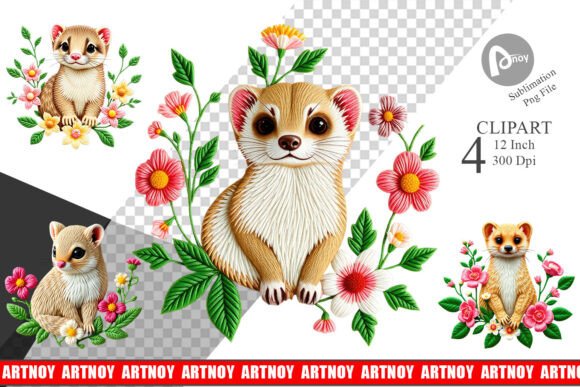
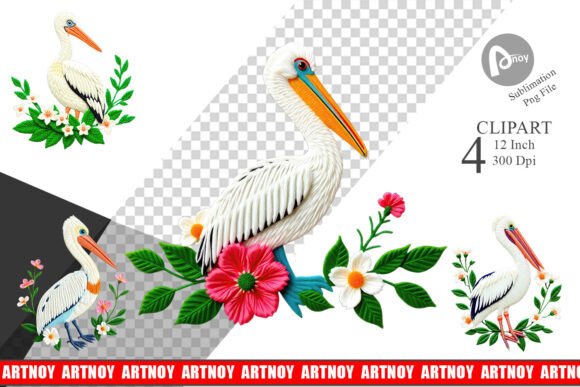
As an experienced embroidery designer, I recently had the opportunity to review Pelican Embroidery Clipart, a set of 4 high-resolution PNG files with transparent backgrounds. This collection is marketed for a wide range of digital uses, and I wanted to see how well it would translate into real-world applications for small business merchandise and branded patches.
First Impressions: A Professional and Elegant Design
The first thing that stands out about Pelican Embroidery Clipart is its clean, professional aesthetic. The designs feel elegant and modern, with a touch of creativity that makes them suitable for both premium and handmade products. While not overly bold or rustic, the clipart maintains a sense of quality that aligns well with brand identity goals for boutique shops, cafes, and creative studios.
Each design is presented in high resolution, which immediately suggests that it could be used effectively as a machine embroidery design. The transparent background allows for easy integration into various projects without unnecessary elements interfering with the final look.
Real Business Use: Versatile for Small Business Merchandise
Pelican Embroidery Clipart shows promise when applied to real business scenarios. For example, these designs can work beautifully as embroidered patches for staff uniforms or apron embroidery in a café or bakery setting. The clean lines and minimal detail make them ideal for cap embroidery, where space is limited but visual impact is still important.
When considering tote bag design, the clipart’s simplicity ensures that it doesn’t overwhelm the fabric or distract from the overall product. It can also serve as a subtle accent on work shirts or customer gifts, reinforcing brand identity through consistent visual elements across small business merch.
For Etsy sellers or craft businesses, this clipart could be used as part of a larger design asset package, helping to create printable mockups or custom apparel that stand out in a competitive market. The versatility of the designs makes them suitable for commercial embroidery projects ranging from boutique merchandise to event-related items.
Where to Use with Caution
While Pelican Embroidery Clipart is impressive, there are certain applications where it may need careful consideration. When using it for small patch sizes or cap fronts, the details might get lost or appear too faint. Similarly, curved surfaces or textured fabrics could affect the final appearance if not tested properly.
High stitch density or detailed outlines may also pose challenges when translating the digital file into an actual embroidered patch. Additionally, dark-colored uniforms or items that require frequent washing may demand extra attention to thread color contrast and stabilizer use to maintain the integrity of the design.
Impact on Brand Identity and Customer Perception
Using Pelican Embroidery Clipart in branded merchandise can significantly enhance a small business's visual consistency and professionalism. The elegance of the design contributes to a polished presentation, which in turn builds customer trust and recognition. Whether it’s on a handmade product, custom apparel, or packaging accents, the clipart adds value by reinforcing a cohesive brand image.
For businesses looking to stand out in local markets or online platforms like Etsy, this clipart offers a unique way to elevate their product line. The ability to integrate it into multiple formats—from digital embroidery files to physical merchandise—makes it a valuable addition to any design toolkit.
Practical Embroidery Designer Notes
Before using Pelican Embroidery Clipart in a production setting, there are several practical steps to consider:
- Test it in black and white first: This helps evaluate how the design will look when converted to embroidery thread colors.
- Check if it works at small patch size: Ensure the details remain clear and legible even when scaled down.
- Review thread color contrast: Choose colors that provide good visibility against the fabric being used.
- Inspect spacing and confirm hoop size: This ensures the design fits properly within the embroidery hoop during production.
- Test on real fabric: Always test the design on the intended fabric type before mass production.
- Use proper stabilizer: Especially important for textured fabrics or items that require frequent washing.
- Create a mockup for client approval: This is crucial for ensuring the final look meets expectations.
- Compare it beside other design assets: Ensures consistency in brand identity across all merchandise.
- Confirm commercial licensing: Always verify that the design is allowed for commercial use before finalizing any project.
Pelican Embroidery Clipart is a strong contender for small business owners, embroidery shops, and merch creators who want to add a touch of elegance to their branded products. Its clean, professional look makes it adaptable to a variety of applications, from custom apparel to handmade product labels. However, as with any digital embroidery file, it requires thoughtful evaluation and testing to ensure the finished product meets the desired standards.
Overall, Pelican Embroidery Clipart has the potential to be a valuable asset in a designer’s portfolio, especially when used strategically for commercial embroidery projects that prioritize visual appeal and brand consistency.